
 6108 Skillman St, Dallas, TX 75231
 (469) 998-9822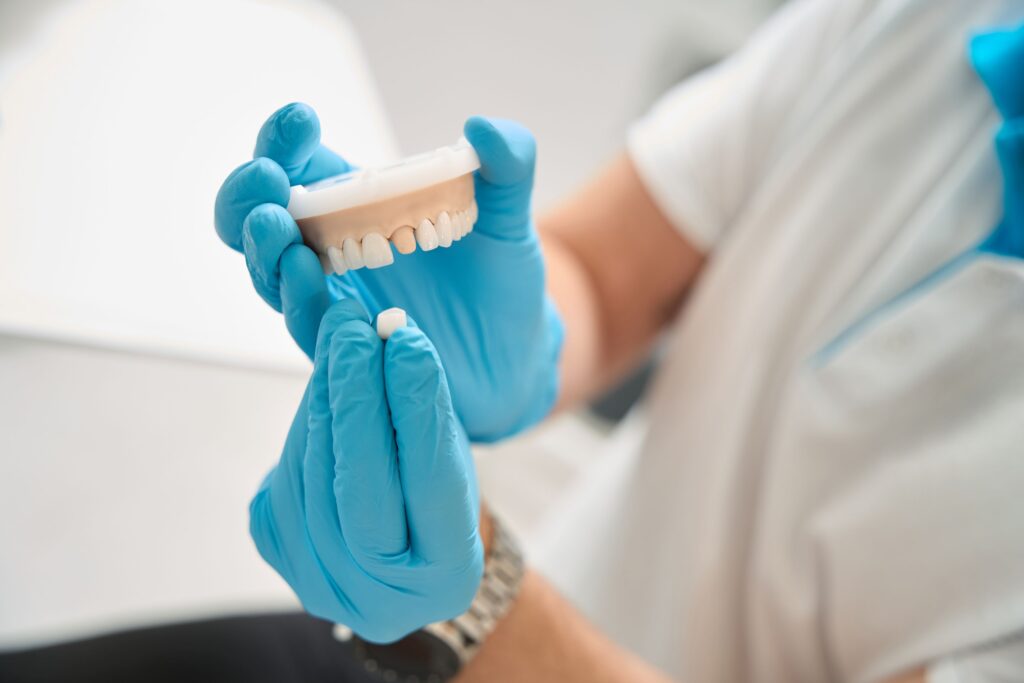
If you have a toothache requiring a root canal or sustained chips or cracks to your enamel, your dentist may recommend placing a dental crown. These tooth-shaped caps are usually made from customizable porcelain that can be made to match your natural teeth. Then, they’re cemented over a damaged tooth to protect it while allowing you to continue using it normally.
But many patients worry that getting one of these restorations might hurt. Continue reading to learn more about what to expect from the process so you can set your fears aside!
What Are Dental Crowns?
Dental crowns are lifelike prosthetics intended to cover damaged or injured teeth, enhancing their appearance and preserving their function in cases that might otherwise require extraction. They’re not as porous as natural enamel, so they are more resistant to chips, cracks, and stains, and can help protect the underlying teeth from further harm.
They’re a versatile solution that can be used in various capacities, including to:
- Restore a tooth that underwent a root canal.
- Cover a dental implant or anchor a dental bridge to close gaps in your smile.
- Rebuild stunted or too-short teeth.
- Cover chips and cracks to preserve your dental structure.
Does Getting a Dental Crown Hurt?
Some patients avoid being fitted with one of these ceramic caps because they’re scared that the procedure could hurt. It’s normal to want to avoid potential discomfort, and your dentist will likely do everything they can to help you feel at ease.
For example, they must slightly thin your enamel so the cover fits over your tooth properly without looking bulky or causing a misaligned bite. But they will likely numb your mouth before starting this preparation to help you feel more comfortable. Many providers also offer options for sedation, like nitrous oxide (or laughing gas), to help you get through the procedure successfully.
How Can I Reduce Dental Crown Discomfort?
You likely won’t have to worry about potential soreness or sensitivity until after the medications wear off. Then, it’s normal to feel tender for a few days, but associated aches and inflammation typically fade on their own after a few days. You might try applying an ice pack or taking over-the-counter solutions, like acetaminophen or ibuprofen, to help reduce symptoms.
If you experience persistent or severe pain lasting longer than 5 days after placing your dental crown, you may need to contact your provider to ensure that it’s fitting and functioning as intended!
Meet the Author
Dr. Henry Lu is passionate about helping improve his patients’ lives by helping them build and maintain beautiful, healthy teeth and gums. He earned his dental degree from the Nova Southeastern University College of Dental Medicine, and today, is a member of the American Dental Association and other organizations, so you can trust that your smile is in skilled hands. He offers a complete array of services to people of all ages, including placing dental crowns, so you and your loved ones receive the same top-quality care. You can request an appointment on the website or call (469) 998-9822.